How to Reduce Garage Door Noise: Expert Tips from Go Garage Door Repair in Norfolk, CT

Understanding Garage Door Noise
Garage doors are essential components of our homes, but they can also be a significant source of annoyance due to the noise they produce. If you live in Norfolk, CT, and find yourself troubled by a creaking, rattling, or clattering garage door, you’re not alone. In this article, we will explore the reasons behind garage door noise and share effective solutions to minimize it.
Common Causes of Garage Door Noise
Before diving into solutions, it's crucial to understand what causes your garage door to make noise. Identifying the source can help you address it more effectively. Here are some common culprits:
- Worn-out Rollers: Over time, garage door rollers can wear down, causing them to be less efficient and noisier.
- Loose Hardware: Nuts and bolts can become loose due to regular wear and tear, causing rattling and clanging sounds.
- Dry or Dirty Tracks: If the tracks of your garage door aren’t clean or well-lubricated, they can contribute to noise.
- Old Springs: Garage door springs can produce loud sounds when they’re worn out or malfunctioning.
- Misaligned Components: If any part of the garage door system is misaligned, it can cause unwanted noise during operation.
Effective Ways to Reduce Garage Door Noise
1. Regular Maintenance
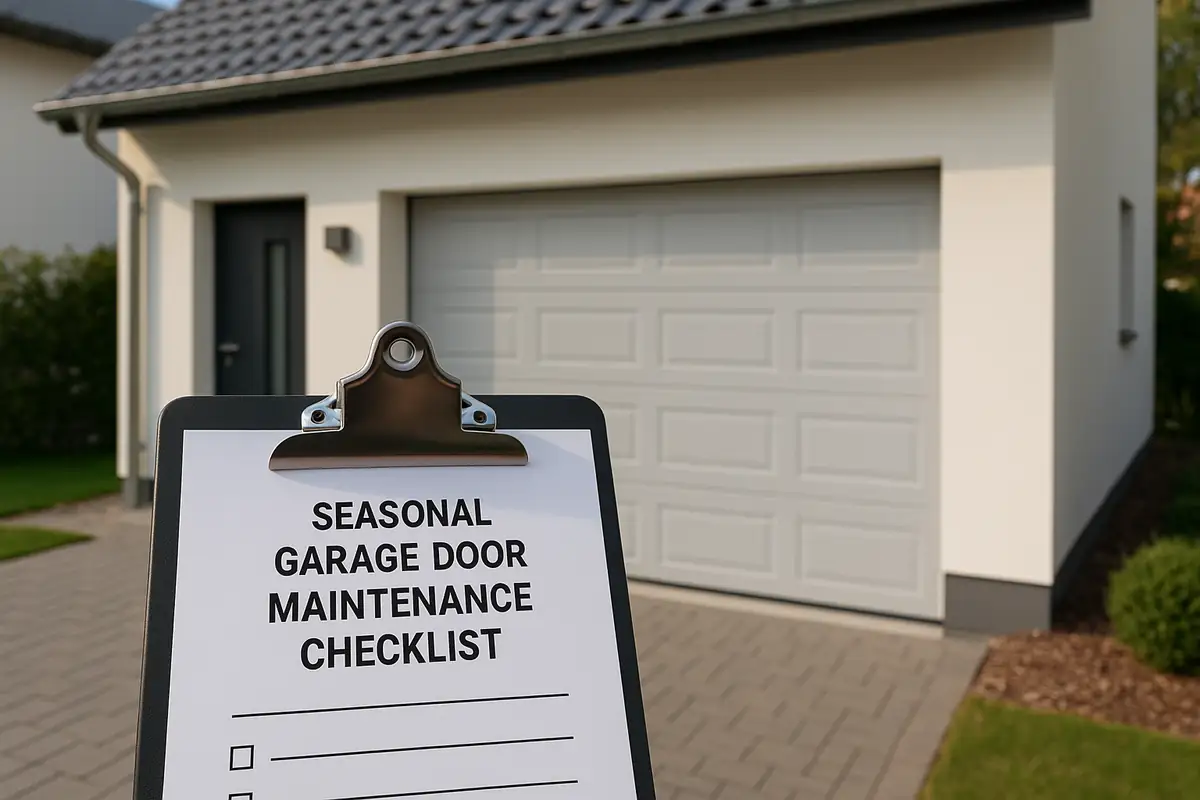
One of the best ways to reduce noise is through regular maintenance. Schedule periodic check-ups for your garage door to ensure all components are in optimal condition. Here’s a routine you can follow:
- Inspect and tighten loose bolts and screws.
- Clean the tracks and remove debris.
- Lubricate moving parts, including hinges, rollers, and tracks.
- Check the springs for wear and tear.
2. Upgrade Your Rollers
If your garage door uses metal rollers, consider upgrading to nylon rollers. Nylon rollers are designed to operate more quietly than their metal counterparts, significantly reducing noise levels. They are also durable and require less maintenance.
3. Insulate Your Garage Door
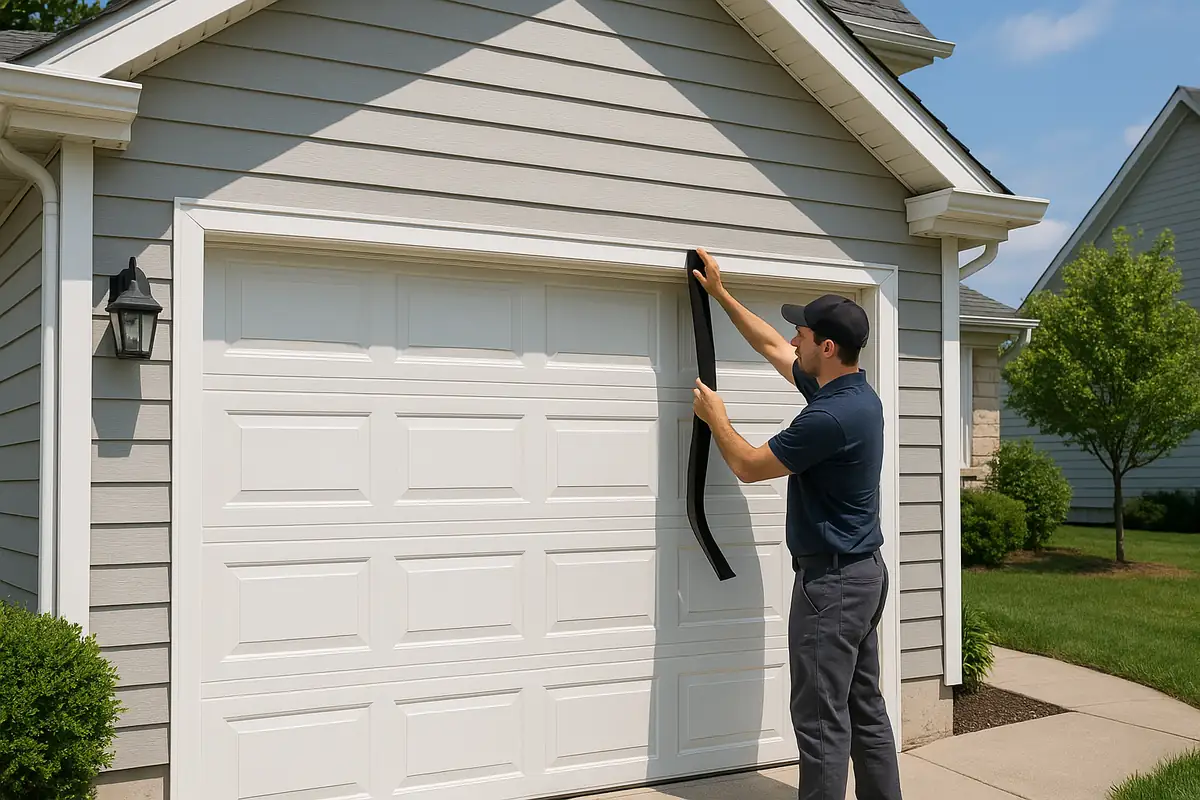
Insulating your garage door can not only help with noise reduction but also improve energy efficiency. Foam insulation panels can dampen sound and keep your garage temperature stable. Here’s how to insulate your garage door:
- Choose insulation material suitable for garage doors.
- Cut the insulation to fit snugly in the door panels.
- Secure the insulation using adhesive or fasteners.
4. Use Garage Door Mats
Placing mats beneath your garage door can absorb vibrations and reduce the noise generated when the door opens or closes. Look for rubber or foam mats designed specifically for garages.
5. Consider a Quieter Opener
If your garage door opener is old or noisy, upgrading to a newer, quieter model can make a world of difference. Look for openers with:
- DC motors, which tend to be quieter than AC motors.
- Soft-start technology to minimize jolts.
- Chain or belt drives, with belt drives generally being quieter.
Statistics on Garage Door Noise
Did you know that approximately 70% of homeowners report some form of noise from their garage doors? According to industry studies, addressing these noise issues can lead to a more peaceful home environment and increased property value.
Professional Help: When to Call Go Garage Door Repair
While many noise-reduction techniques can be implemented at home, some issues may require professional assistance. If you notice persistent noise despite your efforts, or if you suspect mechanical problems, don't hesitate to contact Go Garage Door Repair in Norfolk, CT. Our team of experts can diagnose and fix the issue efficiently, ensuring your garage door operates smoothly and quietly.
Conclusion: Enjoy a Quieter Garage
Reducing garage door noise doesn't have to be an overwhelming task. With regular maintenance and the right upgrades, you can enjoy a quieter garage environment. Don’t forget, for any challenging repairs or upgrades, Go Garage Door Repair is here to help! Contact us today for professional service in Norfolk, CT.
Explore More Resources
Related Articles
Service Areas
We proudly serve Norfolk, West Norfolk, Grantville, Turkey Cobble, Mill Brook and more areas.
Our Services
Professional garage door repair, spring repair, opener installation and more. View all services →